


I Don't Produce Sperm, Can I Become a Dad T-through Sperm Donation?
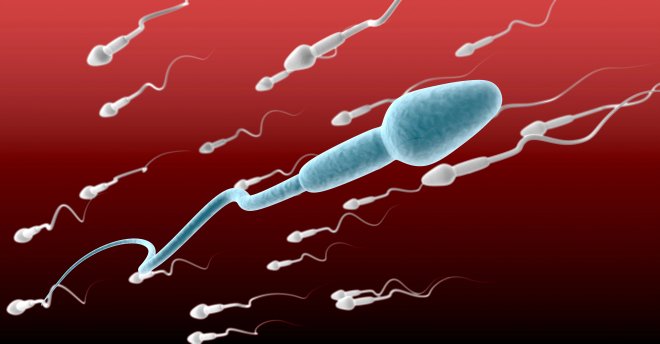
Sperm Donation and Fatherhood:
Sperm donation is the process of fertilizing a partner’s eggs with donor sperm using assisted reproductive techniques such as in vitro fertilization (IVF) or intrauterine insemination (IUI).
With this method:
- The partner can become pregnant and carry the baby
- The partner becomes the baby’s genetic mother
- The intended father becomes the legal father and raises the child
Important Points:
- Legal Status: Sperm donation is legally regulated in the TRNC.
- Psychological Support: Couples are advised to receive psychological counseling during this process.
- Medical Evaluation: The partner’s reproductive health must be evaluated.
- Donor Selection: Criteria such as physical characteristics and blood type are generally taken into consideration.
By consulting a reproductive health specialist or an IVF center, the process can be learned in detail and a personalized treatment plan can be created. The absence of sperm production (azoospermia) does not close the path to fatherhood; it only requires following a different path.
Sperm Donation: What Is It?
Medical Process and Scientific Principles
Sperm donation is a scientific assisted reproductive method preferred in cases of azoospermia (absence of sperm), carrier status for serious genetic diseases, or other severe male infertility conditions. It is based on obtaining sperm from a healthy donor, storing and screening it through cryopreservation (freezing), and then fertilizing it with the recipient woman’s egg in a laboratory.
Cryobiology and Donor Screening Standards
- Genetic and Infectious Screening: Donor candidates undergo comprehensive screening according to WHO standards, including karyotype analysis, cystic fibrosis testing, and infectious disease panels.
- Cryopreservation and Quarantine: Sperm samples are frozen in liquid nitrogen at -196°C. To rule out infection window periods, samples are kept in quarantine for at least 6 months.
- Fertilization: Fertilization is performed according to the prepared uterine cycle using IUI (insemination) or IVF/ICSI (in vitro fertilization/microinjection).
Medical Indications: Who Is It Suitable For?
- Non-obstructive azoospermia, in cases where sperm cannot be obtained through medical or surgical methods
- Genetic abnormalities detected in the male partner that carry a high risk of being passed on to future generations
- Severe sperm morphology or motility disorders, in cases where other methods have failed
- Cases in which immunological factors, such as Rh incompatibility, cannot be resolved through alternative methods
Scientific Note: Cryopreservation makes it possible to preserve sperm quality and genetic material for many years without deterioration. Under current standards, donor selection is strictly monitored through international biosafety guidelines.